
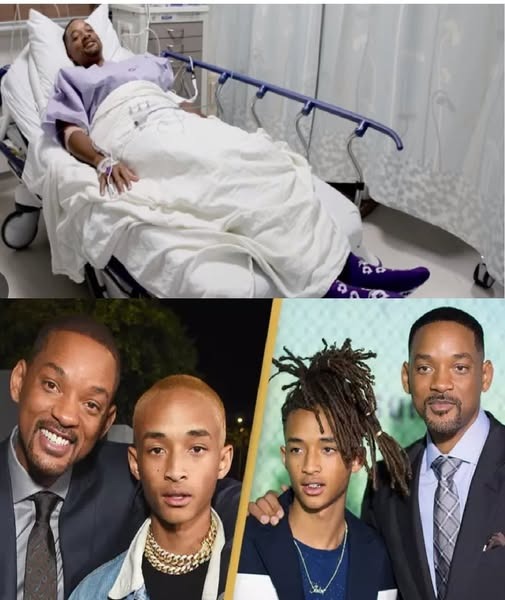
SAD NEWS: 20 minutes ago, Jaden Smith, son of Will Smith, painfully announced t… See more
The post described a devastating scenario. According to the viral story, Will Smith had allegedly been involved in a fatal plane crash near Jaipur, India. The aircraft, identified as a Boeing 787-8 Dreamliner, was said to have been carrying over 200 passengers when the tragedy occurred. Reports claimed that Smith had been traveling as part of a humanitarian and cultural mission in South Asia.Then came the part that truly fueled the emotional reaction.
A wave of shock spread across social media after a deeply emotional message began circulating online, claiming that Jaden Smith had just shared heartbreaking news about his father, Will Smith. Within minutes, millions of people were reacting, sharing, and trying to understand what had happened.
The story included a supposed message from Jaden—raw, brief, and filled with grief. It painted a picture of a son struggling to process an unimaginable loss, speaking through tears and disbelief. The words spread rapidly, amplified by headlines designed to hit hard and fast. People reacted instinctively. Comments poured in. Tributes began appearing almost immediately.
For many, the idea of losing Will Smith felt personal.Over decades, he built a reputation not just as a Hollywood star, but as a figure people connected with. From his early days on television to his performances in major films, he became part of pop culture in a way that few actors ever achieve. His presence wasn’t limited to screens—he represented energy, humor, resilience, and a kind of relatability that made him feel accessible, even to those who had never met him.